National Corn Growers Association President Jed Bower says the cost of fertilizer is “completely out of sight” for American farmers — and two new national surveys are backing up what he has been telling Washington for years: the problem is not just squeezing producers this spring, it is on track to get worse in 2027.
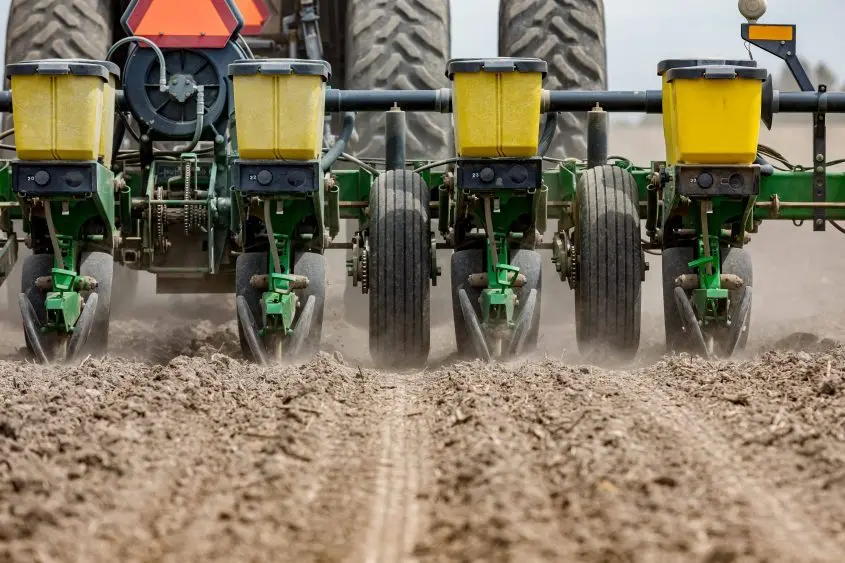
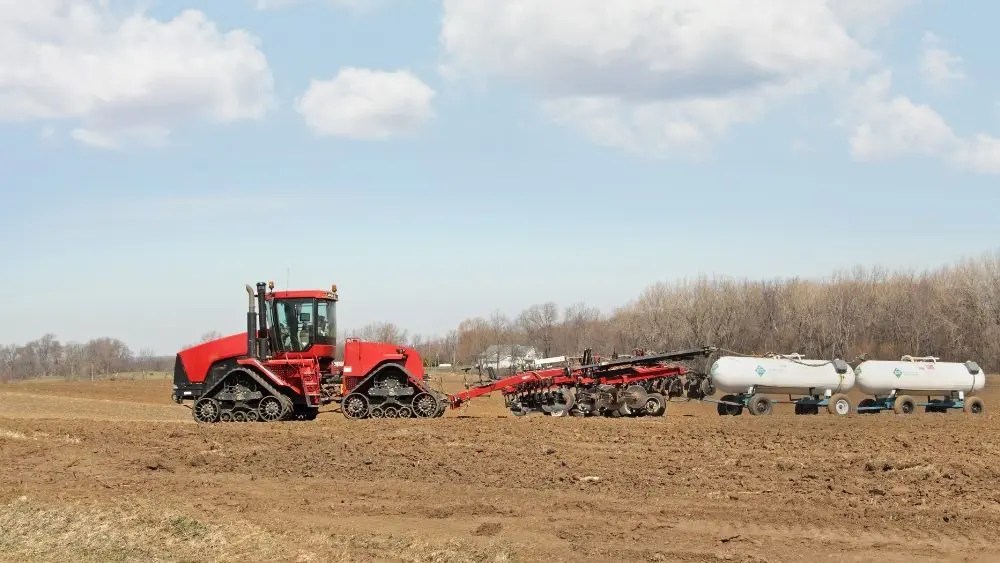
Speaking this week on Agriculture of America, Bower — an Ohio farmer who started planting corn this week — said input costs have reached the point where change in how the industry operates is overdue.
“We’ve been having these conversations, not for months, but for the past couple years, trying to relay to the administration and Congress, hey, we’re on the verge of big problems in the ag community,” Bower said. “There’s been no regulations on these giant companies. They know what we can make per bushel, and they decide how much of that percentage they’re going to take. And unfortunately, they’ve taken way more than we can afford.”
Surveys confirm the squeeze
Two studies released this month put hard numbers behind the frustration farmers have been voicing all winter.
NCGA’s own research found that for every one farmer more worried about fertilizer in 2026, nearly two farmers are more worried about 2027.
Only 60% of farmers report having their nitrogen fully secured for the 2026 growing season, and just 64% have locked in phosphate. On what the association calls a “currency of corn” basis, it now takes roughly 185 bushels of corn to buy a single ton of urea — the highest level on record.
A parallel American Farm Bureau Federation survey of more than 5,700 producers painted an even starker picture: about 70% of respondents said they simply cannot afford all of the fertilizer they need this season. The pain is not evenly distributed — 78% of Southern producers and 69% in the Northeast report affordability gaps, compared with 48% in the Midwest. Urea prices have jumped 47% since the end of February, and nitrogen is up more than 30% since tensions escalated in the Middle East.
“It’s a little too late for this year,” NCGA’s Bower said. “And we’re starting to worry about next year, to be honest.”
Duties, domestic production in play
Bower acknowledged that the countervailing duties on phosphate imports from Morocco and Russia remain a sticking point. Some U.S. companies want them lifted; others have pushed to keep them in place. Either way, he said, any relief is unlikely to arrive in time to change 2026 acres.
“As we’re looking at potentially being in the red for the third or fourth year, [some companies have] looked at billions of dollars in profits for the past few years,” Bower said. “I don’t know when’s enough enough. When you’ve forgot about your customers and all you care about is your shareholders, it’s really disconcerting for all of us.”
The longer-term fix, he argues, is rebuilding U.S. fertilizer production capacity and making room for new entrants to compete — something he said the current administration has signaled openness to.
“The key is going to be, are we going to allow the bigs to build on and get bigger, or can somehow we incentivize some new players to come to the market to drive some competition?” Bower said. “That’s going to be the key that we’re looking at moving forward.”
Year-round E15 still inching forward
On the demand side, Bower said corn growers are still waiting on legislation to make E15 available year-round — a move that could meaningfully boost domestic corn use.
“No breaking news, unfortunately, but those conversations continue to happen daily,” Bower said, noting NCGA had a group of growers in Washington last week. He said there is “lots of positive momentum,” including renewed discussion about addressing the issue through the next Farm Bill, “which would be amazing for growers across America.”
“Unfortunately, it’s taken way too long,” he added. “Growers have gotten in truly difficult situations before we could bring this light to Congress and have them truly realize how bad it is. But we’ve got to continue to fight.”
The power of picking up the phone
Bower closed with a pitch to every farmer who cannot make it to D.C.: call anyway.
“Every time you make a call or send a letter, your number counts,” he said. “Those get counted by staff. The points you’re making, they make notes of those. They go back to their boss, whether it’s a congressman or a senator … It makes a difference.”
His final message to a stressed-out countryside: “As bad as it is, we have to find a way to stay positive, have a safe planting season, call your neighbors, check on your neighbors. Times are tough. We have to stay together.”