Concerns about fertilizer prices and market competition are intensifying across the U.S. agricultural sector as farmers, commodity groups and policymakers push for greater transparency and potential policy changes within the fertilizer industry. A newly filed class-action lawsuit, a reported federal investigation and a coordinated appeal from agricultural organizations to lift fertilizer import duties are all bringing renewed attention to the cost of key crop inputs at a time when many farmers are already facing a difficult economic environment.
Several of the world’s largest fertilizer producers were hit with a class-action lawsuit last week that accuses the companies of conspiring to inflate fertilizer prices for U.S. farmers. The lawsuit claims the alleged conspiracy increased input costs for farmers nationwide and added significant financial pressure across the agricultural supply chain.
Union Line Farms of Hopkinton, Iowa filed the lawsuit, which targets companies that dominate the global fertilizer market. Among the companies named in the complaint are Mosaic, Nutrien, Koch Agronomic Services and other major fertilizer suppliers. The suit alleges that these companies coordinated production decisions and pricing strategies in ways that artificially increased the cost of nitrogen, phosphorus and potash fertilizers, three essential nutrients required for crop production across U.S. agriculture.
According to the lawsuit, fertilizer prices rose sharply during the supply chain disruptions and geopolitical tensions that began in 2020. While those global pressures initially contributed to higher costs, the complaint argues that prices remained elevated even after many of those disruptions had eased.
The suit claims fertilizer costs increased by approximately 60 percent between 2021 and 2022. For many farms, the lawsuit estimates that the price increases translated into an additional $128,000 in costs during the 2022 crop year alone. Plaintiffs argue that these higher input costs affected farm profitability at a time when many producers were already navigating volatile commodity markets and rising expenses for fuel, labor and other production inputs.
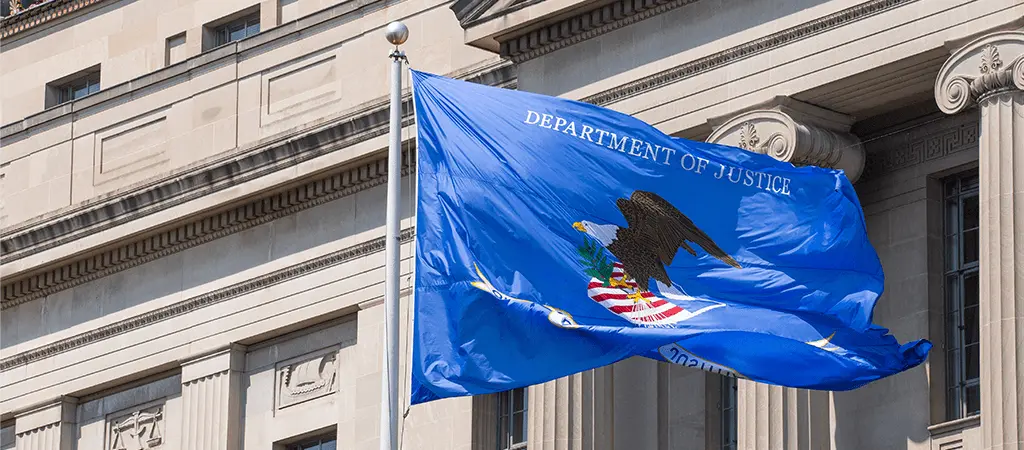
The lawsuit comes as fertilizer pricing practices are also drawing attention from federal regulators. According to reports from Bloomberg, the U.S. Department of Justice is conducting an investigation into the fertilizer industry to determine whether some of the nation’s largest producers may have colluded to raise prices for American farmers.
Commodity organizations say such an investigation is warranted given the pressure fertilizer prices have placed on farm operations in recent years. The Iowa Corn Growers Association has been raising concerns for years about what it describes as mounting financial pressure caused by fertilizer pricing and industry consolidation.
In a statement responding to reports of the Justice Department’s investigation, the Iowa Corn Growers Association said fertilizer prices have remained elevated even as crop prices have declined, placing additional strain on farmers’ operating margins.
The organization said a federal investigation would represent an important step toward understanding pricing practices in the fertilizer market. The association also pointed to broader issues surrounding competition, transparency and consolidation within the agricultural input sector.
The Iowa Corn Growers Association thanked Iowa Senators Chuck Grassley and Joni Ernst along with Representatives Randy Feenstra and Ashley Hinson for responding to farmers’ concerns by introducing the Fertilizer Research Act in both the Senate and the House. The legislation is designed to examine competition and transparency within the fertilizer industry.
ICGA leaders said they specifically requested the legislation and previously submitted written testimony to Senator Grassley’s Senate Judiciary Committee hearing in October, which focused on competition concerns within the seed and fertilizer industries.
In addition to supporting congressional efforts, ICGA and the Texas Corn Producers Association also sent a letter earlier this year to U.S. Attorney General Pam Bondi requesting an update on a federal report related to fertilizer pricing and industry consolidation.
Farm groups say better understanding fertilizer pricing practices, tariffs and market consolidation will be essential for addressing the financial pressures farmers continue to face. ICGA said it will continue working to push for greater fairness and transparency within the fertilizer industry.
At the same time, fertilizer prices are also at the center of a broader policy debate involving import duties on foreign phosphate fertilizers.
Sixty-four agricultural organizations recently sent a letter to the chief executives of two of the nation’s largest domestic fertilizer producers urging them to support removing duties on phosphate fertilizers imported from Morocco.
The letter was sent to Mosaic Company Chief Executive Officer Bruce Bodine and J.R. Simplot Chief Executive Officer Garrett Lofto. Among the groups signing the letter was the National Corn Growers Association.
“The recent Middle East conflict has led to increases in the prices of U.S. fertilizer, regardless of actual impact to the U.S. supply,” read the letter. “We strongly urge efforts to lower and stabilize prices by renouncing support of phosphate duties incurred through antidumping and countervailing duty investigations.”
The duties referenced in the letter were imposed in 2020 by the U.S. Commerce Department after Mosaic filed a petition alleging that foreign fertilizer producers were receiving unfair government subsidies. Mosaic argued at the time that those subsidies allowed foreign companies to flood the U.S. market with phosphate fertilizers sold at extremely low prices. The petition was supported by J.R. Simplot.
Following the Commerce Department’s decision, tariffs were placed on phosphate fertilizer imports from Morocco and Russia. As a result, at least one Moroccan company halted shipments of phosphate fertilizers to the United States.
Agricultural groups say that reduction in supply contributed to higher fertilizer prices and shortages for U.S. farmers. They argue that the duties have created additional financial pressure for producers who rely on phosphate fertilizers as a key input for crop production.
The organizations also pointed to recent geopolitical tensions, including the conflict in the Middle East, as another factor contributing to fertilizer price volatility.
“The conflict, on top of already high U.S. input prices, further negates the need for U.S. companies to need CVD protection,” the letter noted. “To the contrary, U.S. agricultural security – and hence national security – require that farmers have increased access to critical fertilizers.”
Farm groups say lowering fertilizer costs is essential to maintaining both farm profitability and the broader stability of the U.S. food supply. With fertilizer accounting for a significant share of crop production expenses, price swings can quickly ripple through the agricultural economy.
As legal challenges, federal investigations and policy debates unfold, many producers say the outcome could shape fertilizer markets and farm input costs for years to come.